
New Federal Rule allows economic impact to be a bigger consideration in ESA habitat designation.
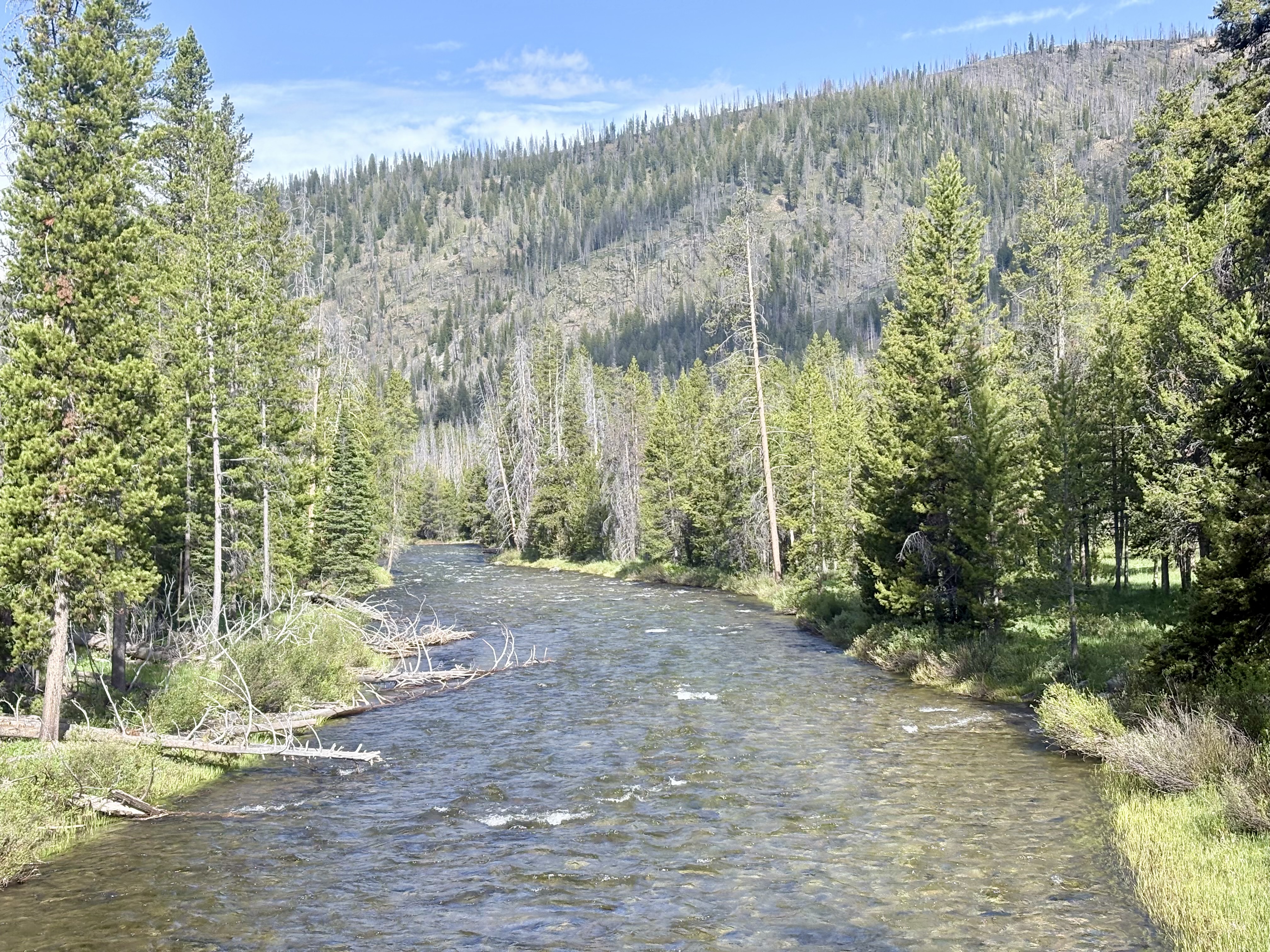 On July 21, 2026, the U.S. Fish and Wildlife Service (FWS) published a final rule that rewrites the process it uses to decide when to exclude land from Endangered Species Act (ESA) critical habitat designations by incorporating evidence from stakeholders in a more explicit way. For outfitters and guides who operate on public land often under Forest Service or BLM permits, this is a rule worth having on your radar, even though it doesn't change your operations right now.
The Backstory: A Regulation That Keeps Changing Hands
Section 4(b)(2) of the ESA requires FWS to consider economic impacts, national security impacts, and "other relevant impacts" before finalizing any critical habitat designation. It also gives the Secretary discretion to carve out — or "exclude" — specific areas from that designation if the benefits of exclusion outweigh the benefits of including them, as long as doing so won't push the species toward extinction.
How FWS actually exercises that discretion has swung back and forth for a decade, consistent with the pendulum swinging we have seen in other places from administration to administration:
-
2016: A joint FWS/NMFS policy laid out non-binding guidance on how exclusions would be considered.
-
2020: FWS finalized its own regulation setting a more structured, FWS-only exclusion process.
-
2022: That 2020 rule was rescinded, on the theory that it had unduly constrained the agency's discretion.
-
2026 (this rule): FWS is now reinstating and clarifying much of the substance of the 2016 policy and 2020 rule, prompted initially by a 2025 executive order directing agencies to review regulations that might burden energy development, but ultimately framed by FWS as its own considered judgment about the best way to administer section 4(b)(2).
The rule takes effect August 20, 2026, and it creates a new regulatory section, 50 CFR § 17.90, that will govern all future critical habitat exclusion decisions. It does not reopen or reevaluate any existing critical habitat designation, this is only applied going forward.
What Actually Changes
A few pieces of the new framework stand out:
1. A "credible information" trigger. FWS will now (theoretically) conduct a formal exclusion analysis whenever someone with a stake in the outcome—explicitly including permittees, lessees, or contract holders on federal land—presents "credible information" that a designation of critical habitat would create a meaningful economic or other impact. In plain terms: if an outfitter or guide with a valid Forest Service or BLM permit can show that a proposed critical habitat designation would meaningfully affect their operation, that's now an explicit, named pathway to trigger consideration for exclusion.
2. Deference to outside expertise. The rule directs FWS to give real weight to impacts identified by parties outside the agency's own biological expertise unless FWS has evidence to specifically rebut it. This means they are required to seriously consider input from: states, Tribes, local governments, and specifically permittees and lessees operating on federal lands. This is a meaningful shift.
3. A "shall exclude" standard once the analysis favors it. If FWS runs the weighing analysis and determines the benefits of exclusion outweigh the benefits of designation, the rule now states the Secretary "shall exclude" the area, no longer a "may." FWS frames this as simply how it has chosen to exercise its existing discretion, not a new statutory mandate, but it does create a more predictable, less case-by-case outcome once that threshold is met.
4. Federal lands treated the same as private lands. Historically, there's been ambiguity about whether federal land gets a different (often more protective) treatment in exclusion analyses. This rule states explicitly that the same standards apply to federal and non-federal land, and that FWS will consider impacts to permittees, lessees, and licensees on federal land, and not just the administrative cost of a section 7 consultation, but real operational and economic effects.
Why This Matters for Outfitters
For outfitters and guides operating under special use permits, most of the practical exposure to critical habitat comes through section 7 consultation which is the process by which a federal agency must ensure its action won't destroy or adversely modify designated critical habitat. A new or expanded critical habitat designation overlapping permitted operating areas can mean:
-
Additional analysis and potential delay during permit issuance or renewal.
-
New or revised terms and conditions attached to a permit.
-
In some cases, reasonable and prudent alternatives that change where, when, or how an activity can occur.
This rule doesn't eliminate that exposure, but it does two things that matter operationally. First, it gives outfitters, and organizations like IOGA, a clearer and more explicit avenue to weigh in before a designation is finalized by submitting credible information about how a proposed critical habitat area would affect an existing permit, lease, or operation. Importantly, that information will now carry real weight in FWS's decision. Second, it makes the outcome of a successful exclusion request less discretionary and more predictable, since FWS is now committing to exclude an area once its own analysis shows the benefits of exclusion outweigh the benefits of designation. I still believe some real questions on how exactly they come to that conclusion exist, but the general direction is clear.
The obvious other side of this is worth noting too: this framework could tilt exclusion decisions toward economic and industry input at the expense of recovery-focused habitat protection, and that incremental exclusions, each individually justified, could add up to meaningful habitat loss over time. FWS's response was that it will continue to base the underlying designation on the best available science, and that the exclusion process only applies after that scientific determination has already been made but it seems obvious this will likely tilt decisions over time.
The Practical Takeaway
- First, for IOGA members and other public-lands-dependent operators, the near-term relevance isn't retroactive, this rule won't reopen existing critical habitat designations or permits already in place. But for any future critical habitat proposal that overlaps operating areas, permit holders now have a clearer, agency-acknowledged pathway to present economic and operational impacts and have them meaningfully factored into whether that specific area gets excluded.
- Second, this is a final rule. It goes into effect in August and we have no opportunity to impact it.
- Third, this issue has been a pendulum every administration since Obama and I would expect it will pendulum again in the future.